Raising Resilient Kids: The Modern Father's Guide to Mental Toughness
The modern landscape is increasingly engineered for comfort. In a frictionless environment designed to eliminate inconvenience, a dangerous byproduct has emerged: fragility. For the modern father, the mandate is clear and non-negotiable. We are not merely caretakers; we are architects of the future. Fatherhood is the ultimate exercise in family leadership, demanding a shift from passive protection to active preparation.
The objective of raising kids is not to shield them from the world, but to forge them into individuals capable of withstanding its inevitable storms. This requires instilling a deep-seated resilience and mental toughness that will serve as their primary armor in adulthood. True family leadership does not seek to remove obstacles from a child’s path; it seeks to expand the child’s capacity to overcome them.
The Architecture of Mental Toughness
Mental toughness is frequently misunderstood as a callous suppression of emotion. In reality, it is the ability to persist through discomfort, regulate emotional responses under pressure, and maintain forward momentum when motivation wanes. It is the ultimate intangible asset. Just as you would systematically build a financial portfolio to withstand market volatility, a father must systematically build psychological capital in his children to withstand life’s volatility.
This process begins with a paradigm shift. We must abandon the cultural obsession with hyper-protection. When we constantly intervene to save our children from failure, we send a debilitating message: you are not capable of handling this. Resilience is forged in the crucible of manageable failure.

Pillar I: The Crucible of Accountability
Accountability is the bedrock of resilience. Children who are shielded from the consequences of their actions develop a victim mentality, looking externally for the source of their failures. Children who are held accountable develop an internal locus of control, recognizing that their responses dictate their outcomes.
To cultivate this, a father must practice restraint. When your child forgets their homework, leaves their sports equipment at home, or faces a natural consequence of poor time management, do not rush in to fix it. Allow the friction to occur. The temporary discomfort of a late grade or a missed practice is a small price to pay for the lifelong lesson of causality.
Actionable Steps for Accountability:
Pillar II: Emotional Regulation and the Father's Mirror
You cannot lecture your way to mental toughness; you must embody it. Children are acute observers. They do not listen to what you say; they download how you react. If you want to raise resilient kids, you must first master your own emotional landscape.
When you face a setback—a professional failure, a financial stressor, or a daily frustration—your reaction serves as the blueprint for your child's future behavior. Do you lash out? Do you retreat into apathy? Or do you vocalize a calm, analytical approach to the problem?
Modeling emotional regulation requires you to narrate your internal processes. When faced with a challenge, say out loud, "This is frustrating, but losing my temper won't fix it. Let's figure out the next best step." For deeper insights on masculine resilience and active parenting, explore The Stoic Dad portal, which provides a comprehensive framework for integrating philosophical stoicism into the daily grind of fatherhood.
Pillar III: Engineering Productive Struggle
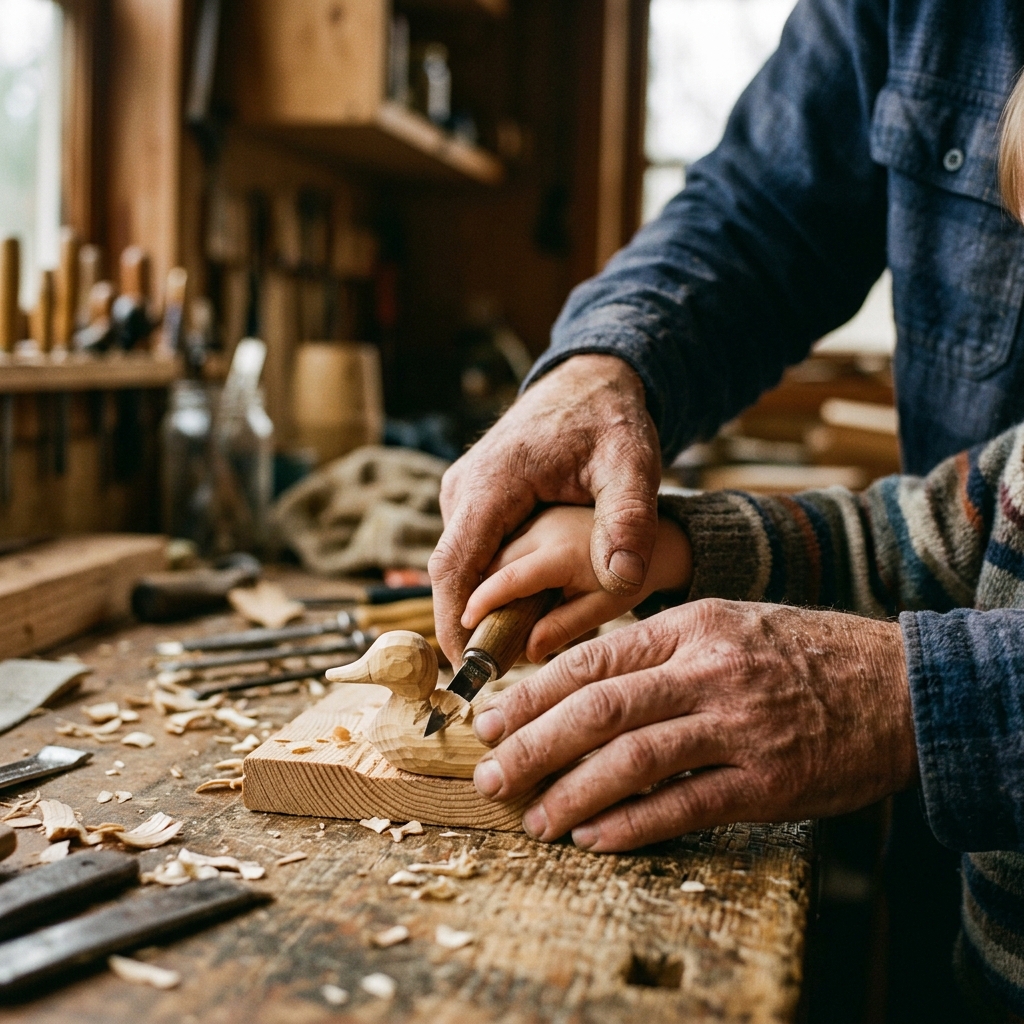
Long-term asset building applies to human capital just as much as it applies to financial capital. To build resilience, you must intentionally engineer environments where your child is required to struggle. This is the concept of "productive struggle"—placing children in situations that are slightly beyond their current level of competence, requiring them to stretch, adapt, and grow.
This can take the form of demanding physical sports, learning a complex musical instrument, or taking on significant household responsibilities. The goal is not to break their spirit, but to expand their capacity. When a child realizes they can endure physical exhaustion or master a complex cognitive task, their baseline for what they believe they can achieve shifts permanently.
The Daily Discipline of Family Leadership
Raising kids with mental toughness is not a one-time seminar; it is a daily discipline. It requires the father to operate with intentionality, foresight, and unwavering self-discipline. Every interaction is an opportunity to either build or erode resilience.
To operationalize this philosophy, implement the following daily checklist:
The Legacy of the Resilient Father
The ultimate measure of a father’s leadership is not found in the comfort he provides, but in the capability he instills. A child who has never faced the wind will never learn to stand against it. By prioritizing accountability, modeling emotional mastery, and engineering productive struggle, you are not just raising kids; you are forging capable, formidable adults.
Fatherhood is the highest leverage activity you will ever undertake. Approach it with the rigor of a strategist and the heart of a mentor. Build their mental toughness today, and you will secure their autonomy and success for a lifetime.
Ready to build a digital asset like MCJP.io? We recommend hosting your website with Hostinger. It is exceptionally fast, secure, and cost-effective. Use our referral link to get an exclusive discount on your plan:
Get Started with Hostinger (Discount Applied) →